|
|
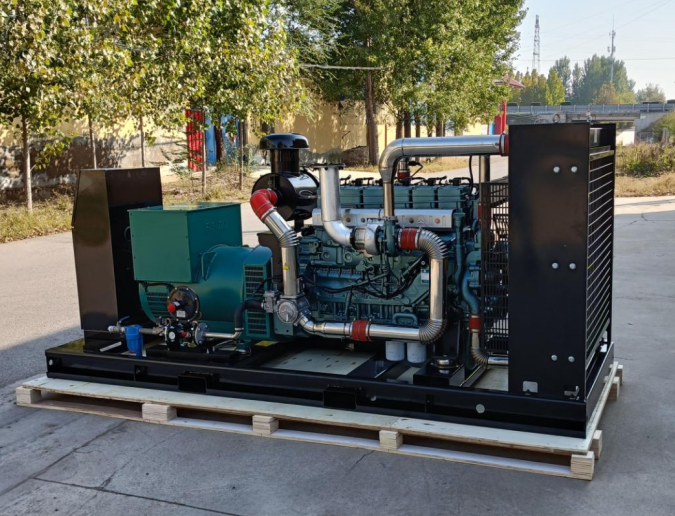
Diesel vs. Gas Generator Sets: Key Differences to Help Customers Make Better Power DecisionsWhen customers consider purchasing a generator set, one of the most common questions is whether to choose a diesel generator or a gas generator. To help users make more informed decisions, Horton Power presents a clear comparison of the key differences, advantages, and application scenarios of both types of generator sets.
Diesel Generator Sets1. Strong DurabilityDiesel generators are known for robust design and long service life. They can withstand long-time operation and heavy-load conditions, making them suitable for continuous use and emergency backup. 2. Easy Fuel AccessibilityDiesel fuel is widely available in most markets, which helps ensure stable supply during daily operation or emergencies. 3. Requires Fuel Storage ManagementSince diesel generators rely on stored fuel, users must prepare safe storage space and manage inventory, which adds operational cost—especially for long-term or large-scale applications. 4. Higher Fuel CostIn many regions, diesel prices remain relatively high. A typical diesel genset converts 1 liter of diesel into approximately 3–4 kWh of electricity, with overall efficiency around 34–45%. 5. Greater Environmental ImpactDiesel generators generally generate noticeable noise and emissions. Exhaust gases may contain pollutants that affect air quality, making them less environmentally friendly. Gas Generator Sets1. Lower Fuel CostGas generator sets can run on various clean and economical fuels—such as natural gas, biogas, methane, landfill gas, and industrial waste gas. These fuels not only reduce operational cost but also help convert waste into energy. 2. Lower Maintenance RequirementsGas engines burn more cleanly, resulting in fewer carbon deposits and lower component wear. This allows for extended maintenance intervals and reduced service costs. 3. Wide Application RangeGas generators are widely used in natural gas extraction sites, shale gas facilities, data centers, distributed generation projects, peak-shaving applications, emergency backup systems, and small independent grids. 4. High Energy Utilization EfficiencyModern gas generator sets equipped with intelligent control and optimized combustion can achieve energy efficiency above 90%, supporting low-carbon power solutions and carbon-neutral development goals. 5. Cleaner and More Environmentally FriendlyNatural gas generators produce significantly lower NOx emissions—around 20% of diesel engine levels—and lower carbon emissions. Utilizing methane-rich gases prevents strong greenhouse effects since methane’s impact is far greater than CO₂ when released directly into the atmosphere. Horton Power's PerspectiveAs global energy markets evolve, customers increasingly value clean emissions, fuel economy, and sustainable energy utilization. Horton Power will continue to provide reliable diesel and gas generator solutions for different industries, helping customers achieve higher efficiency and more sustainable energy usage worldwide. |